

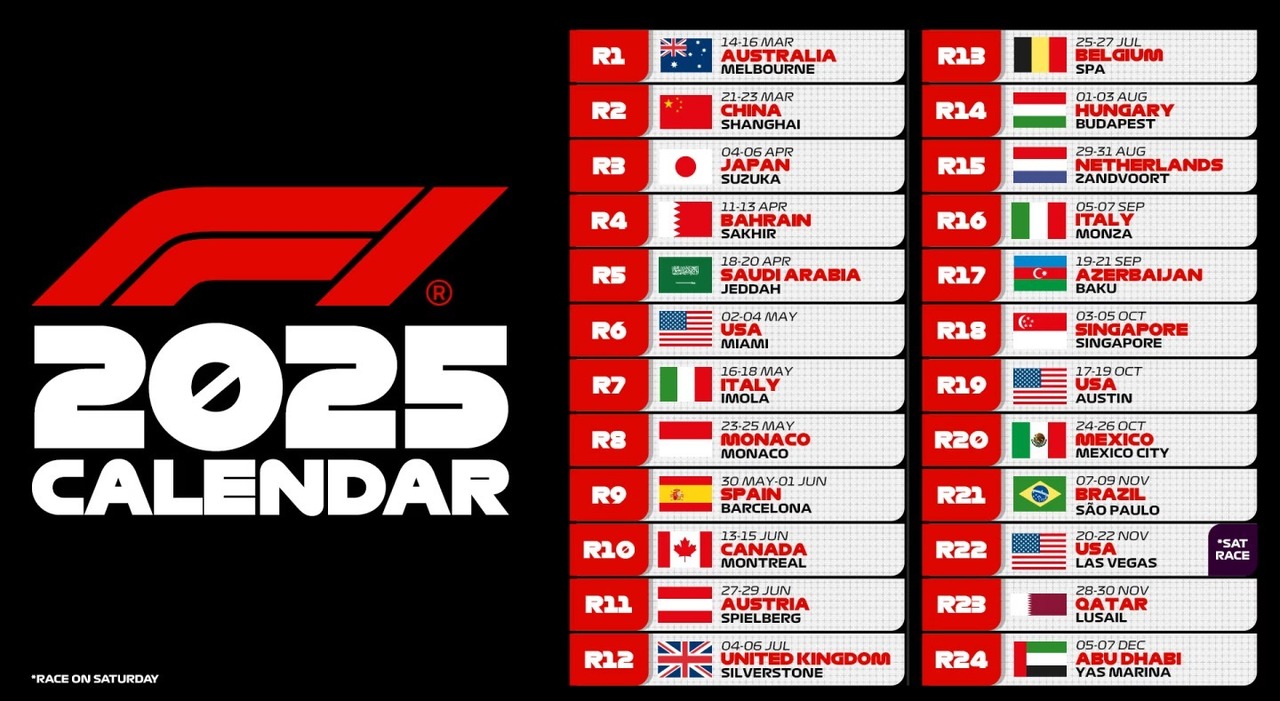
Formula 1 is currently navigating a period defined by explosive global popularity and increasingly tight logistical constraints. As the sport moves towards the new regulatory era beginning in 2026, the question of who gets to host a Grand Prix—and who is left on the sidelines—has become a multimillion-dollar diplomatic exercise. With interest from emerging markets surging, F1 management is performing a high-stakes balancing act between maximizing profit and ensuring the schedule remains, at least theoretically, sustainable.
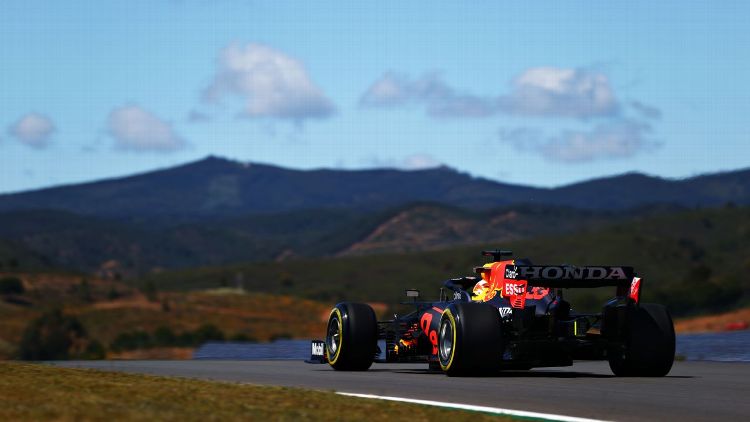
Portimao returned to the F1 schedule temporarily during the pandemic and has now secured a rotational slot for 2027 and 2028.
The 24-Race Ceiling: When Expansion Hits the Wall
The current Concorde Agreement, which dictates the commercial terms between the FIA, F1 teams, and Liberty Media, sets an upper limit of 25 races per season. However, F1 CEO Stefano Domenicali has recently maintained a cap of 24 races, a decision seemingly influenced by vocal critiques from key figures within the paddock.
Drivers, including multiple champions Max Verstappen and Lewis Hamilton, have been unequivocal: the current schedule is “way over the limit.” This sentiment reflects genuine concerns about staff welfare and travel logistics. Every new venue that registers interest, therefore, puts immense pressure on existing, often heritage, European races.
Despite this logistical fatigue, the list of aspirants is extensive, spanning continents and promising substantial governmental investment. Notable interested parties cited by F1 sources include South Korea, India, New York, Chicago, and key revival venues in Africa and Southeast Asia.
The African Dream: Kyalami vs. Geopolitical Headwinds
For years, Formula 1 has been vocal about its desire to return to Africa, the only inhabited continent missing from the current calendar. South Africa’s historic Kyalami circuit stands as the most viable candidate.
- Kyalami, South Africa: The circuit last hosted F1 in 1993. Efforts to bring it back have advanced significantly, with the circuit receiving FIA approval for Grade 1 status upgrades. However, a major hurdle remains: funding. As of mid-2025, F1 CEO Domenicali noted that securing the necessary investment and a robust strategic plan is still “a long way off.”
- Rwanda: Surprisingly, Rwanda emerged as a “serious” contender, presenting an encouraging proposal. Lewis Hamilton, a strong advocate for an African race, showed personal support for the project. Yet, this aspiration faces grave geopolitical complications. In early 2025, the Democratic Republic of Congo (DRC) foreign minister explicitly urged F1 to cease talks with Rwanda, warning that proceeding risked “blood-stained association” due to regional conflict. F1 is reportedly “monitoring the situation”—a corporate euphemism for extreme caution in an ethically sensitive situation.
The Asian Quest: Street Races and Sepang’s Pricetag
Asia is already a powerhouse for F1, hosting staples like Singapore, Japan, and China. Two major Southeast Asian nations are vying fiercely for a spot, showcasing different approaches to hosting fees and circuit types.
- Bangkok, Thailand: Thailand is aiming for a show-stopping street race in its capital city starting in 2028. The Thai government has approved a staggering $1.23 billion bid covering five events (2028-2032). The proposed 3.54-mile circuit would utilize public streets near major transport hubs, embracing the trend toward high-profile urban spectacles seen in Miami and Las Vegas. This focus on a glamorous street venue suggests Thailand is positioning itself as a modern, high-value addition rather than relying on its existing FIA-accredited track, Chang International Circuit.
- Sepang, Malaysia: Sepang, a classic modern circuit, hosted F1 successfully from 1999 to 2017. While often discussed for a potential return, its financial demands are currently insurmountable. Reports suggest that hosting fees hover around $70 million, which the Malaysian government has deemed “unaffordable.” While circuit representatives remain ready should a corporate sponsor materialize (perhaps their former title sponsor, Petronas), the fierce global competition means nostalgia alone does not cover the hosting invoice.
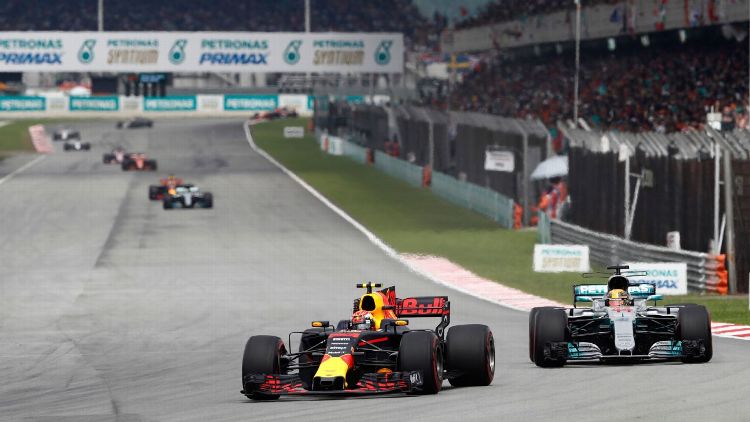
The Sepang circuit, site of the Malaysian Grand Prix, last hosted F1 in 2017. Its return is currently hampered by escalating hosting costs.
Europe’s Evolving Presence: Rotation and New Spectacles
While the global map fills up, the core European races—the backbone of F1—are adapting, primarily through long-term contracts and the implementation of a rotation strategy.
The most significant confirmed change involves Spain. Madrid’s brand-new Madring circuit is confirmed to host the Spanish Grand Prix from 2026 until 2035, replacing the Circuit de Barcelona-Catalunya (which drops off after 2026). This move highlights F1`s continued preference for metropolitan, high-impact street-style circuits.
Furthermore, the idea of rotational racing is formally being reintroduced. Portugal’s Portimao circuit, which served as an emergency venue during the pandemic, has secured two temporary years in 2027 and 2028. Meanwhile, the revered Belgian Grand Prix at Spa-Francorchamps, though contracted until 2031, will be deliberately skipped in 2028 and 2030. This rotation plan essentially revives the “European Grand Prix” concept, providing temporary slots that could be utilized by legacy circuits in France or Germany that have recently fallen out of favor.
The Confirmed Future: Contract Expiries
The calendar commitments highlight a strong shift toward long-term deals, with many contracts extending well into the 2030s. This stability provides a solid base for F1, but dramatically reduces the flexibility to accommodate new entrants without forcing existing races out.
| Race Location | Circuit | Contract Expiration Year |
|---|---|---|
| Miami Grand Prix | Miami International Autodrome | 2041 |
| Austrian Grand Prix | Red Bull Ring | 2041 |
| Australian Grand Prix | Albert Park Circuit | 2037 |
| Bahrain Grand Prix | Bahrain International Circuit – Sakhir | 2036 |
| Spanish Grand Prix (Madrid) | Madring – Madrid | 2035 |
| Monaco Grand Prix | Circuit de Monaco | 2035 |
| Canadian Grand Prix | Circuit Gilles Villeneuve | 2035 |
| British Grand Prix | Silverstone Circuit | 2034 |
| United States Grand Prix (COTA) | Circuit of the Americas | 2034 |
| Hungarian Grand Prix | Hungaroring | 2032 |
| Qatar Grand Prix | Lusail International Circuit | 2032 |
| Italian Grand Prix (Monza) | Autodromo Nazionale Monza | 2031 |
| Belgian Grand Prix* | Spa-Francorchamps | 2031 |
| Chinese Grand Prix | Shanghai International Circuit | 2030 |
| Saudi Arabian Grand Prix | Jeddah Corniche Circuit | 2030 |
| Azerbaijan Grand Prix | Baku City Circuit | 2030 |
| Brazil Grand Prix | Interlagos Circuit | 2030 |
| Abu Dhabi Grand Prix | Yas Marina Circuit | 2030 |
| Japanese Grand Prix | Suzuka Circuit | 2029 |
| Singapore Grand Prix | Marina Bay Street Circuit | 2028 |
| Mexico Grand Prix | Autodromo Hermanos Rodriguez | 2028 |
| Las Vegas Grand Prix | Las Vegas Street Circuit | 2027 |
| Barcelona Grand Prix | Circuit de Barcelona-Catalunya | 2026 |
| Dutch Grand Prix | Circuit Zandvoort | 2026 |
| *Spa-Francorchamps will not host a race in 2028 or 2030 as part of the rotation plan. | ||
| Note: Emilia-Romagna (Imola) contract expires after 2025. | ||
Ultimately, the future of the F1 calendar is a zero-sum game. With Liberty Media sticking firmly to the 24-race quota, every ambitious billion-dollar bid from Africa or Asia simply means another historic or geographically non-essential circuit must surrender its spot, proving that while F1`s popularity is limitless, the length of the season certainly is not.
 Dominic Ashworth