

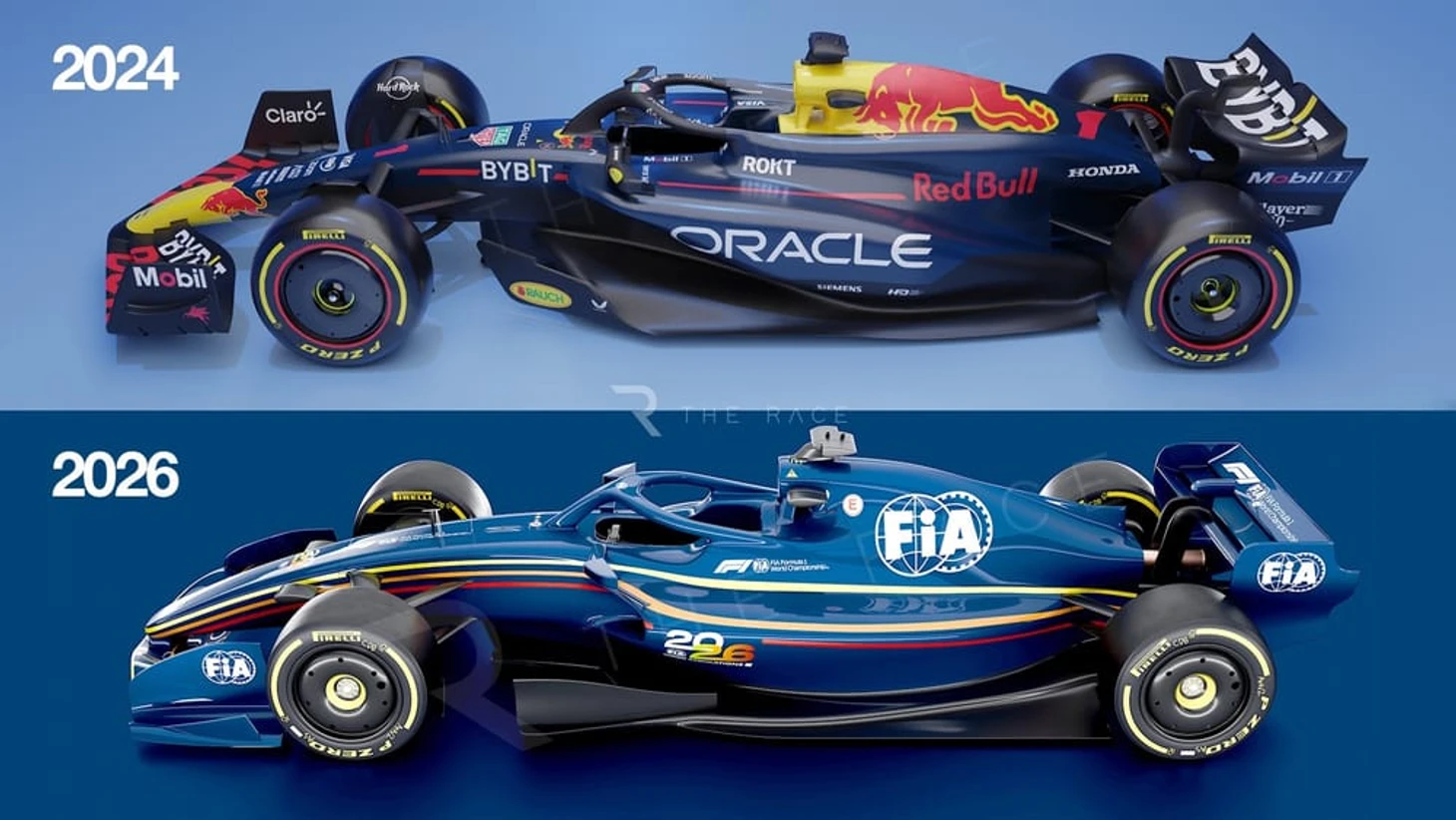
Following a tightly contested 2025 season—capping off with Lando Norris securing a world title amidst high drama—the motorsport world has barely paused. The short winter break is less a respite and more a high-stakes engineering countdown. The 2026 Formula 1 season is not merely the next chapter; it is a fundamental reboot, ushering in radical new technical regulations, an expanded grid, and a global calendar demanding absolute optimization.
The Architectural Reset: Understanding the 2026 Technical Regulations
The transition to 2026 marks the most significant regulatory overhaul since 2022, centered predominantly on power unit architecture and aerodynamic philosophy. This shift is designed to prioritize driver skill, increase the efficiency of sustainable fuels, and significantly alter the balance of power on the grid.
Engineers face a daunting task. The new power unit regulations dramatically reduce the output from the combustion engine while tripling the electrical power contribution (the MGU-K). This move aims for sustainability but mandates a completely different approach to energy management and car design. Furthermore, aerodynamics are being simplified, reducing reliance on complex bodywork elements that create `dirty air,` theoretically fostering closer racing. The result is a lighter, smaller, and potentially more unpredictable machine.
For the teams, this means the competitive order established over the previous years is instantly void. Every organization, from the reigning champions to the new entrants, is starting from a clean slate. The true winners of 2026 may be determined not by 2025 performance, but by the efficiency of their design offices during this intensive winter period.
An Expanded Field: Cadillac and Audi Join the Fray
Adding to the regulatory drama is the growth of the competition. The grid expands to eleven teams and twenty-two drivers, injecting fresh talent and major manufacturing prestige.
- Cadillac: A significant American manufacturer joins the roster, capitalizing on the sport’s burgeoning popularity in the US market. Their entry represents a long-awaited expansion and brings a new geopolitical dynamic to the paddock.
- Audi: The German giant officially takes over the former Sauber operation. This transition elevates Audi from engine supplier to full factory constructor, positioning them immediately as a significant contender capable of major investment and development focus.
The addition of these heavyweights guarantees increased competition, higher reliability demands, and an intensified battle for every single point throughout the season.
The Preseason Crucible: Dates and Locations
Before the lights go out in Melbourne, teams must validate their radically new designs. The preseason schedule is strategically split, offering teams both private development time and public performance validation.
Phase 1: Behind Closed Doors
Between January 26 and 30, teams will conduct private shakedown tests at the Circuit de Barcelona-Catalunya. These sessions are organized independently by the teams, not by the FIA. Data is strictly confidential, and no lap times are released publicly. This period is purely for installation checks, system verification, and ensuring the new technical architecture functions as intended—a critical, albeit secretive, necessity before the full media glare.
Phase 2: Public Validation in Bahrain
The global audience will get its first quantitative look at the 2026 pecking order during six days of official televised testing in Bahrain. Teams will converge on the Sakhir track for two three-day sessions:
| Testing Phase | Dates (February) | Location |
|---|---|---|
| Official Testing Session 1 | 11–13 | Bahrain International Circuit |
| Official Testing Session 2 | 18–20 | Bahrain International Circuit |
These crucial track days allow engineers to gather critical setup data, evaluate tire degradation under race simulation, and provide the first hints of where each team sits in the new competitive landscape. Given the magnitude of the regulatory change, expect significant variance in initial performance.
The Global Odyssey: The Full 24-Race Calendar
The 2026 season maintains the demanding 24-race schedule, spanning continents and climates, starting in Australia and concluding in Abu Dhabi. Notably, the calendar incorporates six Sprint weekends, which maximize the competitive sessions and points on offer.
Key highlights of the 2026 calendar:
- The Grand Opening: The season kicks off in Melbourne, Australia (March 6-8).
- New Destination: Spain welcomes a second Grand Prix, relocating the event to the streets of Madrid (September). This urban layout promises a fresh challenge for the new-era cars.
- American Dominance: The United States solidifies its position as a central market, hosting three distinct events: Miami (May 1-3, Sprint Weekend), Austin (October 23-25), and the late-season spectacle in Las Vegas (November 19-21).
- Sprint Action: Six weekends feature the Sprint format, strategically placed in China, Miami, Canada, Britain, Zandvoort, and Singapore. These events are crucial for maximizing points potential early in the development cycle.
- The European Summer: The traditional European leg—including iconic venues like Monaco, Silverstone, and Spa-Francorchamps—runs through June and July, followed by the mandatory summer factory shutdown in August.
Full 2026 Grand Prix Schedule (Selected Rounds)
The campaign is structured as follows:
| Round | Date Range | Grand Prix |
|---|---|---|
| 1 | March 6-8 | Australian Grand Prix, Melbourne |
| 2 | March 13-15 | Chinese Grand Prix (Sprint) |
| 6 | May 1-3 | Miami Grand Prix (Sprint) |
| 8 | June 5-7 | Monaco Grand Prix |
| 11 | July 3-5 | British Grand Prix (Sprint) |
| 16 | September | Spanish Grand Prix, Madrid |
| 18 | October 9-11 | Singapore Grand Prix (Sprint) |
| 19 | October 23-25 | United States Grand Prix, Texas |
| 22 | November 19-21 | Las Vegas Grand Prix |
| 24 | December 4-6 | Abu Dhabi Grand Prix, Yas Marina |
The 2026 season promises technical upheaval and sporting drama. With new manufacturers, a drastically redesigned machine, and a calendar that pushes logistics to the limit, the stage is set for a genuinely revolutionary year in Formula 1.