

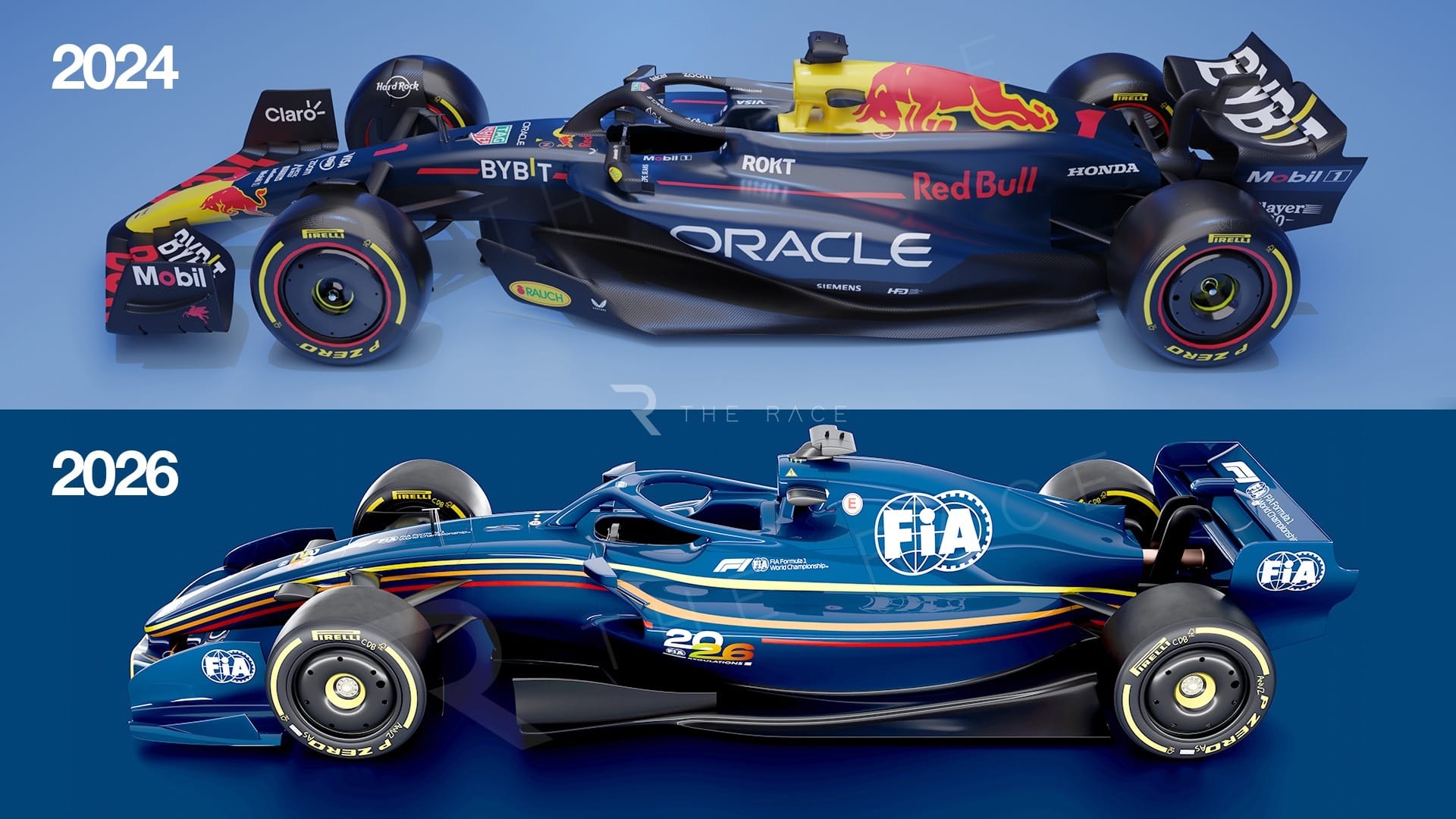
The technical regulations for the 2026 Formula 1 season represent the sport’s most radical transformation in a generation. Beyond the physical changes—lighter, narrower, and more agile cars—the true revolution lies in the cockpit. F1 is deliberately shifting control away from passive, automatic assists and firmly into the hands of the drivers, requiring a new lexicon to describe this heightened state of tactical engagement. The core intention is clear: make racing less about waiting for a detection line, and more about strategic decision-making at 300 km/h.
The Philosophy Behind the Lexicon Change
For over a decade, the Drag Reduction System (DRS) dominated F1 overtaking, often criticized for turning passing into a predictable exercise of proximity. The new rule set, developed in consultation with the FIA and engineering teams, aims to replace this automation with systems that demand real-time driver input and energy management. The new terminology—Overtake Mode, Boost Mode, Active Aero, and Recharge—isn`t just marketing jargon; it reflects fundamental changes in how power and aerodynamics are deployed.
Abolishing Automation: Overtake Mode Replaces DRS
What it is: This function is the direct successor to DRS, previously known in draft regulations as Manual Override Mode. It is the primary tool for initiating a pass.
How it works: Activated when a driver is within one second of the car ahead, Overtake Mode grants a controlled surge of supplemental electrical power. Crucially, its use is strategic. Unlike DRS, which was confined to fixed zones and lasted until the braking zone, Overtake Mode allows the driver to manage and deploy that extra power across the lap segment where they believe the tactical advantage is greatest.
Why it matters: Overtaking transitions from a guaranteed reward for proximity into a genuine tactical gamble. Drivers must conserve and deploy their energy budget intelligently, choosing the precise moment to attack rather than simply following the mandate of a trackside detection loop.
The New Power Dynamics: Boost and Recharge
The 2026 power unit retains the hybrid architecture but significantly increases the reliance on electric power (the MGU-K) and reduces the deployment from the internal combustion engine. This necessitates a much more aggressive and strategic approach to energy storage and release.
1. Boost Mode: All Power, On Demand
What it is: A driver-controlled function that accesses the maximum combined output from the engine and the powerful Energy Recovery System (ERS) battery.
How it works: While Overtake Mode is tied to proximity, Boost Mode is available anywhere on the track, limited only by the amount of energy stored in the battery. It is the ultimate tool for both offense (maximizing exit speed from a corner to set up a pass) and defense (breaking the tow on a straight).
Why it matters: This puts the driver firmly in charge of the car’s peak performance. Managing when to sacrifice battery life for speed becomes a weekly puzzle for the race engineers, executed by the driver.
2. Recharge: Driving Smarter, Not Just Faster
What it is: The conscious process of replenishing the battery during a lap.
How it works: Energy recovery still occurs primarily through braking (regenerative braking). However, the new regulations mandate greater recovery during throttle lift—a technique where the driver momentarily eases off the accelerator before applying the brakes. This maneuver, essential for harvesting maximum kinetic energy, integrates the recharge process into the fundamental driving line.
Why it matters: Recharge is no longer a silent technical detail; it is a visible, strategic element of a fast lap. Drivers must actively decide where on the track they prioritize speed versus energy replenishment, making them, essentially, highly paid energy managers.
Active Aero: The Dynamic Downforce Juggling Act
Perhaps the most visible change is the introduction of Active Aerodynamics. Gone are static wing setups; F1 cars will now constantly change their profile to maximize efficiency.
What it is: The ability to dynamically adjust the angle of attack on the front and rear wing elements during a lap.
How it works: The car switches between two main configurations:
- Corner Mode: High-downforce setting (wings tilted up) for maximum grip and stability through turns.
- Straight Mode: Low-downforce setting (wings flattened) for maximum efficiency and speed on the straights.
The timing of these transitions is critical. This system underpins the massive 40% reduction in drag required by the new rules, ensuring that while downforce is lower overall, cars can still achieve phenomenal straight-line velocity.
Why it matters: This is an engineering tightrope walk. Drivers must manage the shift from high-drag cornering grip to low-drag straight-line velocity, adding another layer of complexity to steering wheel inputs.
The Return of Driver Skill
The 2026 regulations enforce significant dimensional reductions: 200mm shorter wheelbase and 30kg lighter minimum weight (770kg). Combined with the reduction in ground-effect downforce, the cars are intended to be inherently less stable and more demanding to drive at the limit.
The complexity of the new systems masks a simple goal: to ensure the fastest driver is the one who can manage energy, deploy power, and handle an unstable machine with surgical precision. It is F1’s way of saying, `We`ve given you the tools; now you figure out how to win.`
By replacing the predictable DRS with the strategic complexity of Overtake Mode, and by integrating active power and aerodynamic management into every phase of the lap, Formula 1 is preparing for an era where the race engineer`s calculations and the driver`s instincts are irrevocably linked. The technical overhaul is complete; the tactical one is just beginning.